Search tips
- Check your spelling
- Try a different term
- Keep your search term short and simple
Ensuring all livestock movements have been recorded in the NLIS database is vital to maintaining the lifetime traceability of livestock.

Made a mistake on your last NLIS transfer? Learn how to amend, delete or check it to ensure your information is complete.

Accurate compliance to Australia’s red meat integrity systems, the NLIS and LPA programs, is the best way to ensure the safety and welfare of your stock and business, especially in the event of an emergency animal disease outbreak.

Lead is one of the more prominent contaminants in agricultural operation, with serious risks to livestock and human health. Producers must be aware of the signs and impacts of lead exposure, as well as the methods to prevent it, and the steps involved to ensure it is not processed for human consumption.

When it’s time to go to the saleyards, be aware of any high-risk animals by checking the NLIS database for an Early Warning status.

You have received a warning email from the NLIS that animals registered to your PIC have been transferred off another PIC. Most likely, you received Warning 21A to your email account.

The NLIS combines three elements to enable lifetime traceability – make sure you know your responsibilities.
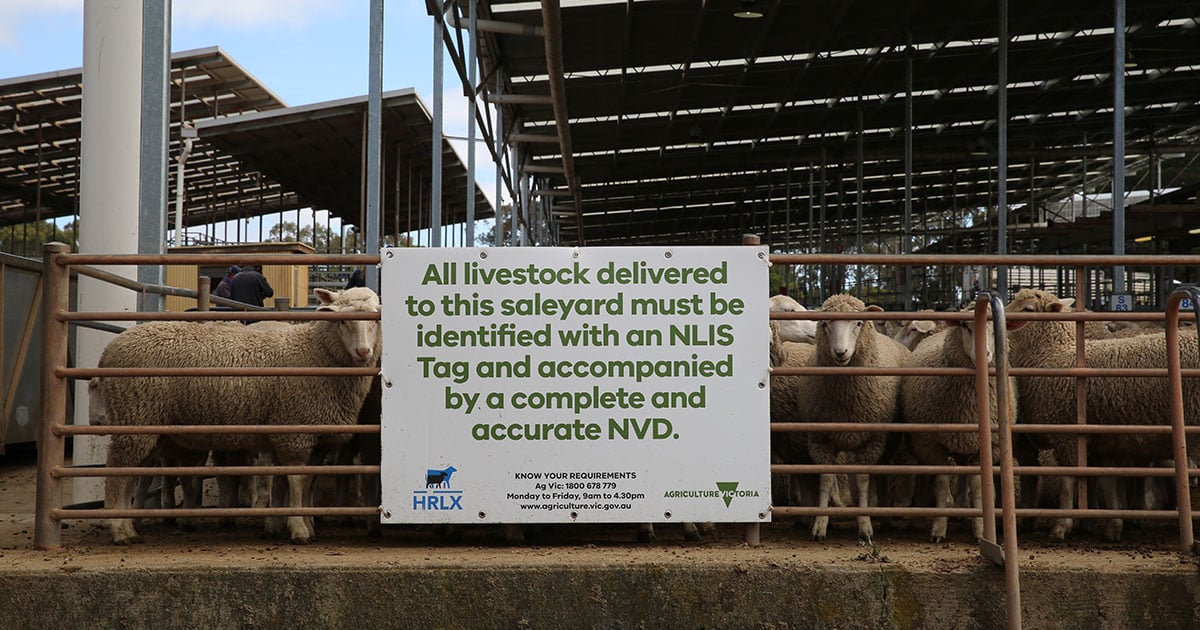
Yass vet Alex Stephens warns producers about compliance complacency, and how your tagging can help maintain your biosecurity.

Learn how to record livestock movements on the online NLIS database – including what you need and when it is your responsibility.

If you receive a loss of LT warning when livestock are transferred onto your PIC, it means animals were not registered to the property (PIC) you bought or received them from. Most likely, you received Warning 21A to your email account if this is the case.
