Search tips
- Check your spelling
- Try a different term
- Keep your search term short and simple
This session will step through using the eNVD and how it can streamline livestock movements and transactions throughout the supply chain. Have your questions answered and find out what developments are in store for the eNVD in 2021.

This session will step through using the eNVD and how it can streamline livestock movements and transactions throughout the supply chain. Have your questions answered and find out what developments are in store for the eNVD in 2021.

More InformationTo read more case studies highlighting how South Australian producers are benefitting from eID technology and using eID data to drive smarter decisions and greater efficiencies on farm, visit the PIRSA website. For more information about eIDs, please refer to the Integrity Systems website. If you need further assistance with the transition to eIDs, please email info@integritysystems.com.au. Alternatively, you can speak with the Customer Service team on 1800 683 111, Monday to Friday between 8am and 7pm (AEDT) or on weekends between 9am and 5pm (AEDT). You can also access the Chatbot seven days a week via...
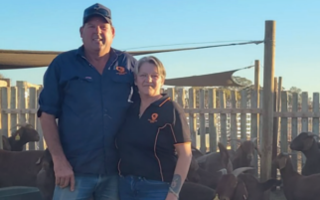
To pass the consignment information onto the receiver – also called the consignee – a destination PIC is needed for the eNVD system to know where the consignment is going. For example, to find the PIC of a saleyard, use the PIC search within the eNVD program, or the PIC register search within the NLIS database. Alternately, call or email the saleyard to ask for the PIC. When a consignment has been created once, recent locations will be shown in the eNVD and you can save the consignment as a template if it is a frequent movement.
Producers can use either the paper or electronic eNVD at any time – and can alternate between both options. It depends on what you feel most comfortable using. The eNVD and hard copy NVD version are identical. You should be aware that if you are audited, you will need to have the hard copies on hand if you are using the printed version of the eNVD. The eNVD is an alternate faster and easier online option – and it is free. Many producers have used it while waiting for their new paper NVD books to arrive and have decided to...
Further assistance Learn more about Gundagai Meat Processors and Gundagai Lamb. Read MLA’s Value Chain Innovation report to learn how MLA continues to invest in and partner with processors to develop a suite of objective measurement tools which are enabling producers to be rewarded for the quality of their meat. Attend an MLA BredWell FedWell event to learn more about nutrition and genetics strategies. For more information about electronic identification (eID), please refer to the Integrity Systems website. If you have any questions, please email info@integritysystems.com.au. Alternatively, you can speak with the Customer Service team on 1800 683...
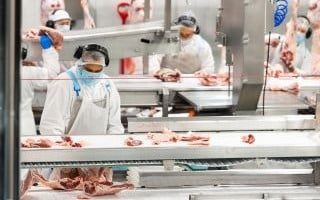
Yass vet Alex Stephens warns producers about compliance complacency, and how your tagging can help maintain your biosecurity.

More information Ensure you’re ready – create a myMLA account Before using the eNVD, you need to create a myMLA account and link your integrity systems accounts. Download the app The latest version of the eNVD Livestock Consignments app is available for free through the App Store and the Google Play Store. eNVD webinar and other resources Refer to these ISC resources and practical tips designed to assist agents get the most from the eNVD. Need help? If you have any questions or require further information: Please visit integritysystems.com.au/envd-help Call ISC Customer Service on 1800 683 111 – Monday to...

With summer approaching, it’s important to obtain a Commodity Vendor Declaration (CVD) from suppliers when purchasing livestock feed. Livestock Production Assurance (LPA) accredited producers are urged to source feed from suppliers who are willing to vouch for its content by providing a CVD. Completed CVDs should be filed with other farm records. The CVD communicates food safety risks of introduced feed and it is needed to keep animals safe from chemical contamination or illness. Managing risks associated with introduced stock feed is a key requirement under the LPA program’s Module 3 ‘Fodder crop, grain and pasture treatments and stock foods’....

To maintain a high level of security of our database and producer information, ISC has increased the required strength of passwords to be used to log in to your LPA and NLIS accounts.
