Search tips
- Check your spelling
- Try a different term
- Keep your search term short and simple
The start of a new year is the perfect time to ensure you’re set up to meet your integrity requirements on-farm. Here are ISC’s top tips to get you started.
How-to: Share geolocation information in LPA (producers) LPA accredited producers can add their geolocation (single latitude and longitude) to their LPA account. This geolocation is used to identify the LPA-accredited property where livestock are kept and by providing the geolocation in LPA permissions the sharing of geolocations without sharing any Property Identification Codes (PIC) or personal information. Producers can update or remove their geolocation and permission for sharing at any time. Via the NLIS Database, feedlots and processors can access the lifetime geolocations of livestock in export consignments bound for the EU and share this with their EU importers to...
More information Learn more about the details of the EUDR requirements and the new LPA geolocation tool. Please note: The EUDR is in addition to the existing European Union Cattle Accreditation Scheme (EUCAS), which is administered by the Australian Government’s Department of Agriculture Fisheries and Forestry.
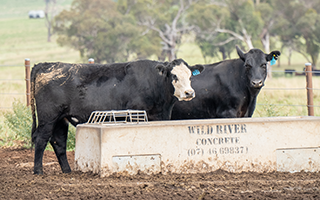
There are a number of resources available to help producers mitigate biosecurity risks. Read this article to find out more.
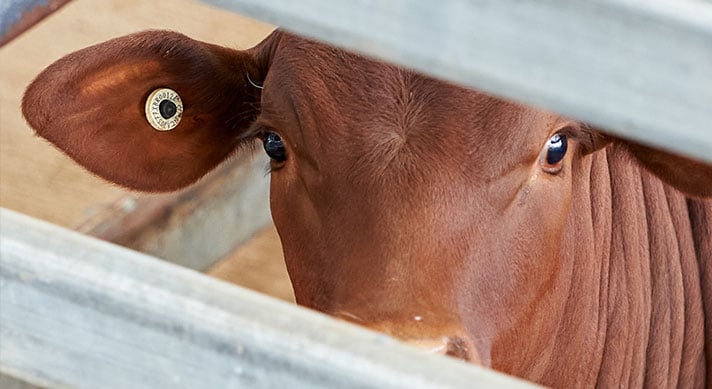
More information Learn more about the specific requirements for your state or territory on the ISC website. Learn how to consign stock to a show or exhibition here. Read how the NSW Royal Agricultural Society’s Cattle Committee worked with ISC and exhibitors to make the shift to digital consignments this year. Learn how to create digital consignments using the eNVD app. For more information on your integrity requirements, generally: Moving livestock to and from a show or exhibition | Integrity Systems National Livestock Identification System | Integrity Systems How NLIS works | Integrity Systems NLIS how-to guides | Integrity Systems...

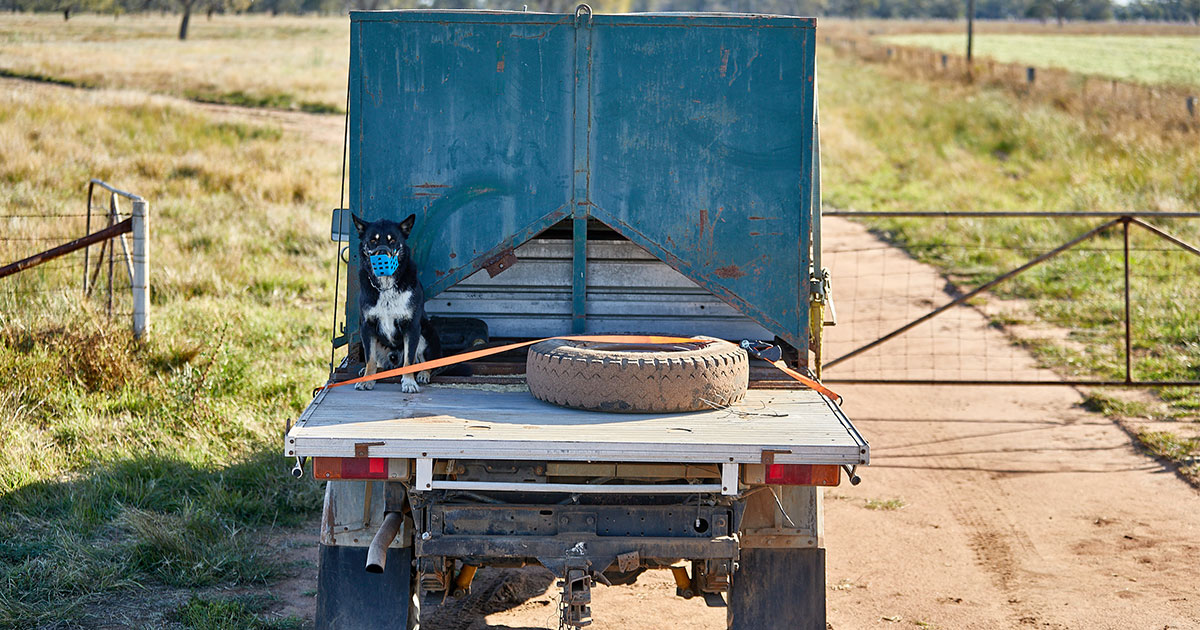
Biosecurity risks can come from either domestic or offshore origins. The Livestock Production Assurance (LPA) program requires LPA accredited producers to protect their livestock and properties with a documented biosecurity plan.
The NLIS ‘compliance dashboard’ is a new reporting tool available to jurisdictional authorities for monitoring livestock movements and identifying errors in the supply chain in Australia..
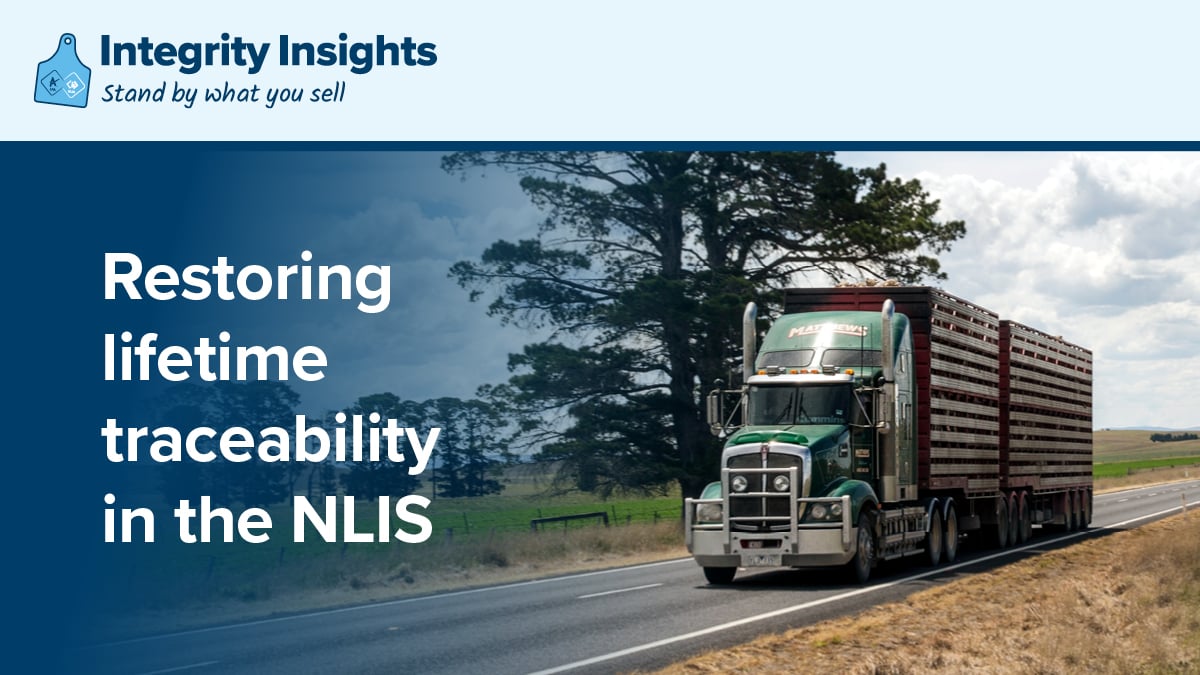
Have you received an NLIS warning email about livestock losing their lifetime traceability? Find out why this happens and what you can do.
The functionality of the electronic National Vendor Declaration (eNVD) continues to expand and improve – making digital consignments the convenient option when moving your livestock.

For more information on LPA eNVD, visit: How to get an LPA eNVD now
