Restoring lifetime traceability in the NLIS
Have you received an NLIS warning email about livestock losing their lifetime traceability? Find out why this happens and what you can do.
read more
If you receive a loss of LT warning when you complete a livestock transfer for someone else (the PIC holder), these animals were not registered in the NLIS database to...
read more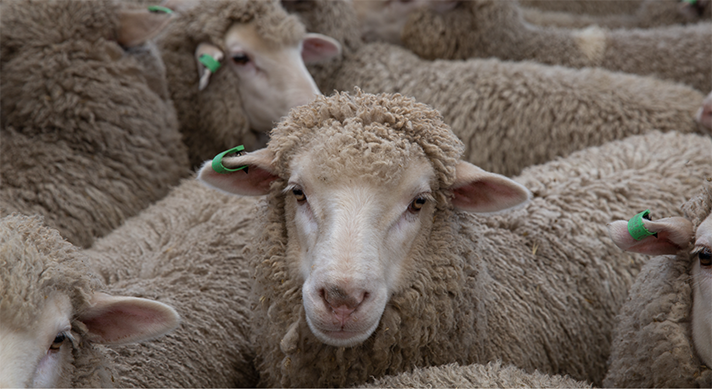
Navigating the NLIS database - Western Australia
Join this webinar, held in partnership with the WA Department of Primary Industries and Regional Development and WA Farmers, for tips and hints on how to use the NLIS database...
read moreNavigating the NLIS database - Queensland
The National Livestock Identification System (NLIS) is Australia's system for the identification and traceability of cattle, sheep ... need to ensure that the NLIS database for their property identification code is up-to-date. Records of livestock transfers and
read moreProducers selling livestock this spring selling season must ensure they meet integrity requirements, so their animals are able to be sold.
read more
Need help with NLIS?
New NLIS how-to guides are available to help you use the NLIS system, so you can stand by what you sell.
read more
Navigating the NLIS database - Victoria
Join this webinar, held in partnership with Agriculture Victoria, for tips and hints on how to use the NLIS database on-farm.
read moreManage my account
started on the NLIS database, you must obtain a property identification code (PIC). PICs are issued by state and territory departments ... departments to identify a livestock-producing property. To obtain a PIC, contact the relevant authority in your state or territory
read moreNavigating the NLIS database - New South Wales
Join this webinar, held in partnership with NSW Department of Primary Industries, for tips and hints on how to use the NLIS database on-farm.
read moreNavigating the NLIS database - South Australia
Join this webinar, held in partnership with the Department of Primary Industries and Regions and Livestock SA, for tips and hints on how to use the NLIS database on-farm.
read more