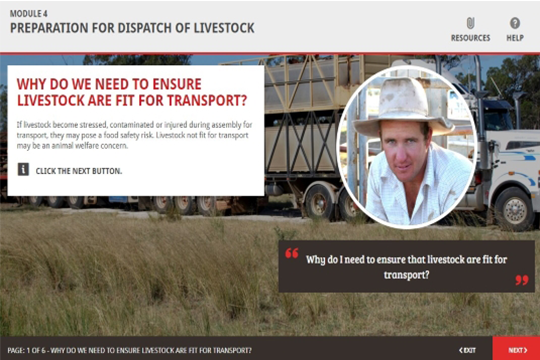
LPA Learning
Consolidate your knowledge on preparation for dispatch of livestock, by completing this LPA Learning module.
If livestock become stressed, contaminated or injured during assembly for transport, they may pose a food safety risk. Livestock not fit for transport may be an animal welfare concern, and would not meet the expectations of our customers.
How do producers meet this LPA requirement?
As a livestock producer, you must guarantee that livestock are fit to load and that they are handled to minimise stress and potential contamination during assembly and transportation. To demonstrate this you must:
Why do we need to ensure livestock are fit for transport?
If livestock become stressed, contaminated or injured during assembly for transport, they may pose a food safety risk. Livestock not fit for transport may be an animal welfare concern, and would not meet the expectations of our customers.
How do we ensure livestock are fit to transport?
Producers should meet the Australian Animal Welfare Standards and Guidelines for the Land Transport of Livestock and decide whether an animal is fit to be loaded for transport and for the entire journey by road or rail, to any destination within Australia.
Producers can refer to Meat & Livestock Australia’s (MLA) national guide, ‘Is the animal fit to load?’ guide, to meet these standards.
Producers must ensure they do everything they can to minimise livestock stress and contamination during assembly and transport. This includes:
To ensure that transportation is carried out in a safe and humane manner, it is important to keep detailed records.
Consolidate your knowledge on preparation for dispatch of livestock, by completing this LPA Learning module.
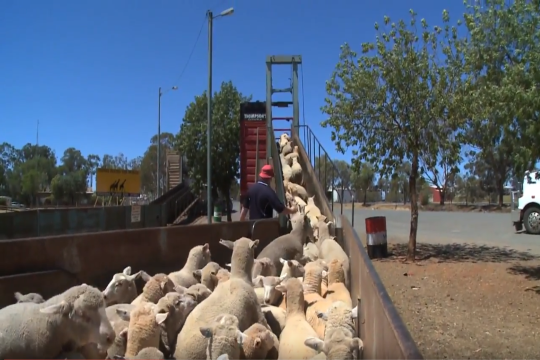
Watch this video to understand how to make sure livestock are fit to transport and experience a minimum of stress and contamination during assembly and transport.
You will need to use a National Vendor Declaration (NVD) (bobby calves) and waybill, identified by version number BC0720.
The timeframe for retaining records varies between LPA and state and territory requirements.
ISC recommends you keep all records of all livestock registered on your PIC for as long as they are on your PIC.
If the animals are sold, retain the records for the livestock for either a minimum of seven years, or in accordance with your state or territory requirements.
You can check state or territory requirements using this list of contacts.
Animals that may have been exposed to physical contaminants such as broken needles, buckshot or wire need to be identified and this information must be shared with the buyer. You will need to keep records of animals that may have been exposed to these contaminants.
Read more about LPA livestock transactions and movements.
The maximum period of time that each species can be held off water during transport is outlined in Table three on page 15 of the ‘Is the animal fit to load’ guide. This period includes mustering and any time off water in yards, as well as the journey itself.
The times outlined are maximum limits. Some animals may need additional access to water depending on their status (e.g. pregnant or young), environmental conditions (e.g. hot weather), stock condition, stocking density and journey length.
The transporter must ensure that the loading of animals into stock crates adheres to appropriate penning density recommendations to minimise welfare risks.
Loading densities are determined according to body weight but should also consider the species and class, wool or hair length, weather conditions, expected transport time, size and body condition, horn status and design and capacity of the pen/crate.
Read more in Table four on page 17 of the ‘Is the animal fit to load’ guide.
Login via myMLA and access eNVD within your linked LPA account/s.
Learn how to link your myMLA and create an eNVD here.
Log in to your LPA account via myMLA and order your NVDs online. If you are unable to access your account, please call ISC Customer Service on 1800 683 111 to order over the phone.
Log-in to your LPA account and order online
1. Log into your LPA account via myMLA.
2. Click on the order books link.

