Search tips
- Check your spelling
- Try a different term
- Keep your search term short and simple
While summer will give many producers the opportunity to take a break, it can also see many parts of the country facing challenging weather events, such as floods and bushfire. Record-keeping It’s worth taking the time now to make sure your record-keeping is up to date, and that you’re well-prepared for any sudden changes in the conditions. Producers should conduct a PIC reconciliation annually to ensure they have accurate livestock records. Access ISC’s how-to guide to conduct a PIC reconciliation. Make sure your records are up to date with the range of LPA record keeping templates available on the ISC...

More information The following additional resources will help you prepare for, deal with and recover from a natural disaster: Flood information for livestock producers MLA Bushfire Hub ISC Natural Disaster Response Hub Further Guidance Make sure you understand where to go for help. If you have any questions or require more information about meeting your integrity requirements (NLIS transfers, LPA accreditations or audits), please email info@integritysystems.com.au. Alternatively, you can speak with the ISC Customer Service team on 1800 683 111, Monday to Friday between 8am and 7pm (AEST) or on weekends between 9am and 5pm (AEST). You can also access...

With the recent outbreaks of FMD and LSD in Indonesia, it is particularly important for livestock producers to understand their responsibilities, be vigilant and on the lookout. Effective biosecurity practices address the identification and containment of disease outbreaks when they occur and detail the measures in place to prevent disease spread.
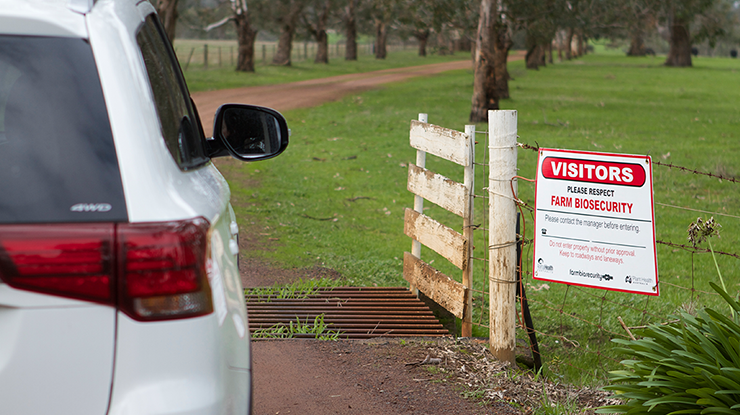
More information Understand your responsibilities in relation to the LPA Requirements. Read more about completing your Biosecurity Plan or download the Farm Biosecurity Template. Visit www.wilddogplan.org.au to learn more.

Key Points Make sure you have plans in place to deal with extreme weather conditions Biosecurity risks escalate during disasters, so it is crucial you review and update your biosecurity plan to reflect these risks The MLA Bushfire Hub has a suite of resources to help you get prepared Contact your state/territory department of agriculture if you need assistance with natural disaster recovery The Bureau of Meteorology’s long-range forecast is predicting drier and warmer conditions than average across much of Australia this spring. Together with the increased fuel load brought on by recent rainfall, this is creating an increased risk...

Australia is currently free from FMD, and our priority is to keep it that way. At the same time, while we are confident in Australia’s strong biosecurity measures, we aren’t taking anything for granted.

With livestock diseases in close proximity to Australia, such as lumpy skin disease, and foot and mouth disease, it is critical that producers and industry service providers take every precaution to maintain the biosecurity of red meat businesses.

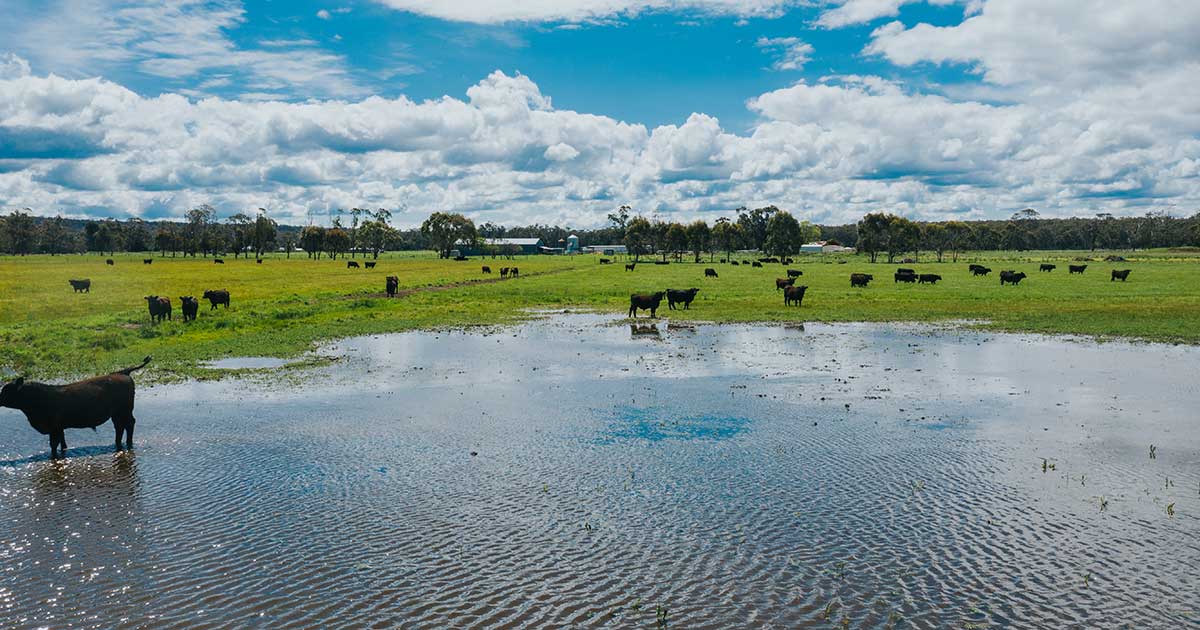
With floods, bushfires and other disasters more prevalent than ever, know what you can do to protect your stock and property.
Property risk assessments and farm biosecurity plans can now be created digitally online within a producer’s LPA account.

If livestock have spread to neighbouring properties, producers should consider any risks around pest, disease and biosecurity for their own property before they are brought home. A number of recommended practices are included on the LPA Farm Biosecurity Plan template that should be considered.