Search tips
- Check your spelling
- Try a different term
- Keep your search term short and simple

It is critical that any agvet chemicals are stored appropriately, are not out of date when used, and are administered in the correct dose. Chemical contamination, degredation or failure can result in a range of negative impacts, including: livestock pain or death livestock illness, which impacts red meat integrity human illness and food safety risks profit and production losses property damage, and disease transmission or biosecurity breaches which threaten global market access. REMEMBER: Chemicals must be used safely and carefully as misuse can result in contamination. Completing a ChemCERT or equivalent training course is an effective way to ensure...
As spring marking season approaches, increased pain relief products become available and biosecurity threats converge, livestock producers accredited through Livestock Production Assurance (LPA) are being urged to brush up on their knowledge of safe and responsible administration of animal treatments and record keeping.

If you’re new to owning livestock or only have a handful of cattle, sheep or goats on your property, this webinar is for you! Join Integrity Systems Company for a high-level overview of property identification codes (PIC), biosecurity requirements, livestock movements, and ISC and state department requirements. This webinar is relevant to hobby farmers and small landholders across Australia. Thursday 21st May, 7pm AEST
Find out how to manage your records for LPA accreditation online.
More information Learn more about the LPA program and its seven requirements. Read about LPA learning, accreditation and on farm audits.

Accurate compliance to Australia’s red meat integrity systems, the NLIS and LPA programs, is the best way to ensure the safety and welfare of your stock and business, especially in the event of an emergency animal disease outbreak.

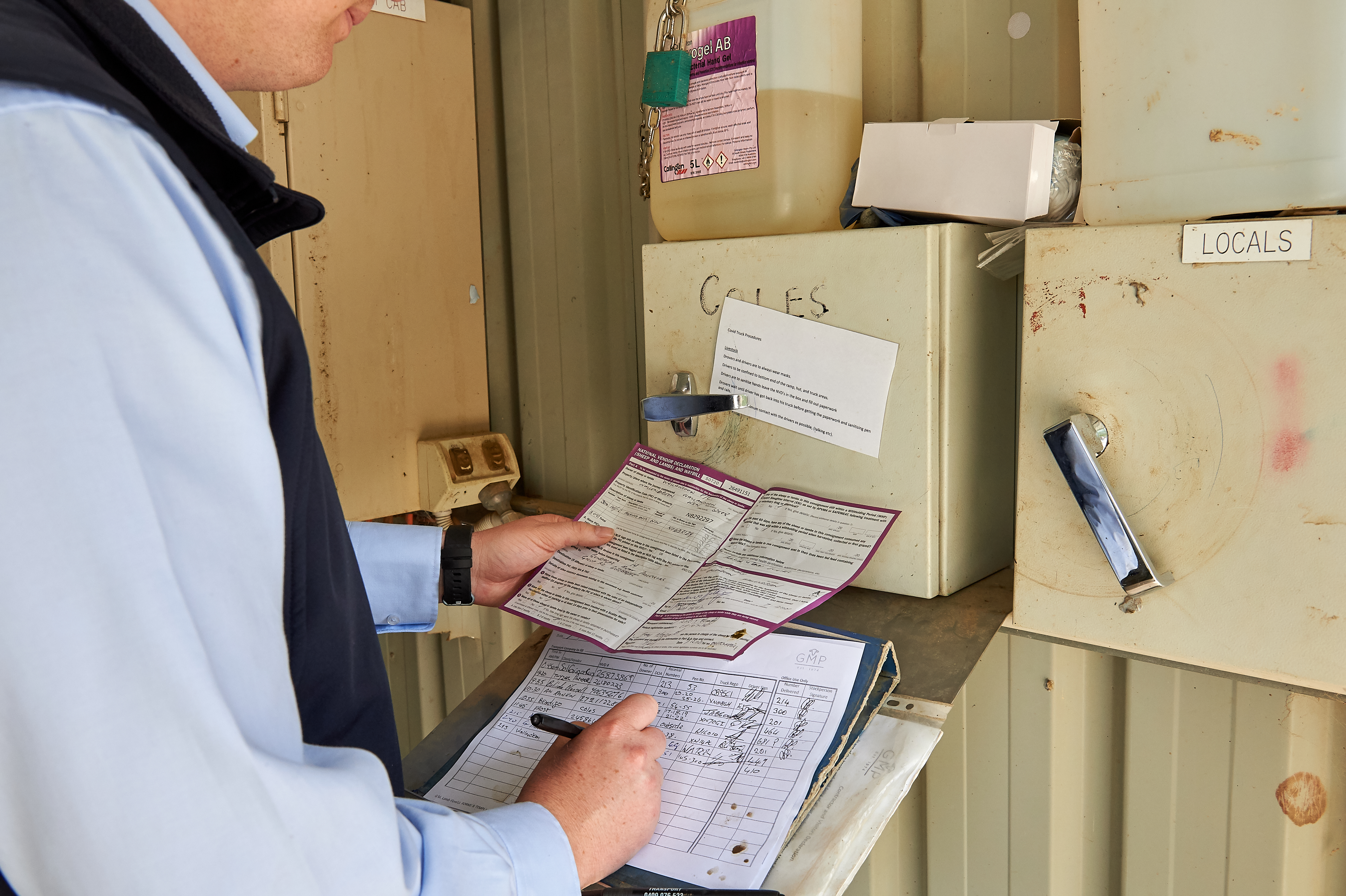
All LPA accredited producers – from large scale operators to hobby farmers – may be audited to check how records are maintained and how food safety, biosecurity and animal welfare management is being carried out on-farm. Help your clients be prepared by sharing the resources below: more information about LPA audits the LPA audit checklist factsheet: how to respond to an LPA Corrective Action Request (CAR) factsheet: how to submit evidence for a remote audit.
The EW status helps monitor and manage food safety and biosecurity risk along the entire supply chain. It gives livestock buyers and agents a heads up around potential risk by flagging that the PIC may have high risk animals (ie chemical residue or disease) associated with it. The buyer or agent is then able to contact the vendor and seek more information about whether a high-risk animal is in a consignment.