Search tips
- Check your spelling
- Try a different term
- Keep your search term short and simple
Find out more about the current LPA auditing arrangements.

Key points: Be prepared to deal with hot and dry weather conditions over spring and summer. Continue to manage your property in accordance with the LPA rules and standards. The MLA drought management page can help you prepare, manage and recover from drought. The Bureau of Meteorology (BOM) is expecting hot and dry conditions for much of Australia during spring and summer. During September, BOM confirmed that an El Niño weather pattern is active over the Pacific for the first time in eight years, while a positive Indian Ocean Dipole has also developed. Together, these two climate drivers tend to...

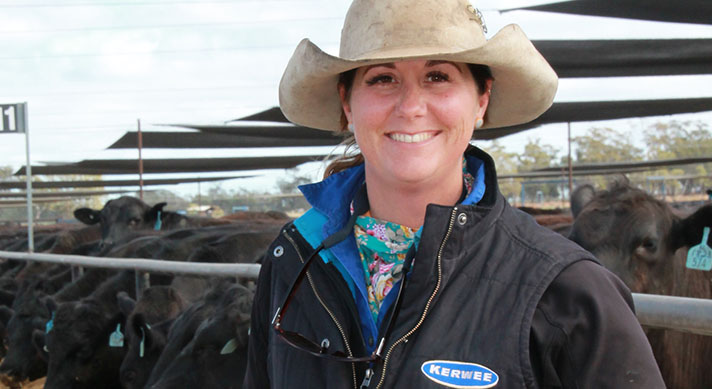
Just six to seven minutes is all it takes for Kerwee Feedlot Livestock Manager, Stevie-Lee Wayman, to complete a livestock consignment of 200 head or more grainfed cattle using the electronic National Vendor Declaration (eNVD) system.
Managing your ISC accounts when you have multiple PICs
More information Livestock Production Assurance (LPA) | Integrity SystemsLPA Record Keeping Booklet: LPA-farm-records-book (integritysystems.com.au)Information about the LPA NVD: National Vendor Declaration (NVD) | Integrity Systems

With summer approaching, it’s important to obtain a Commodity Vendor Declaration (CVD) from suppliers when purchasing livestock feed. Livestock Production Assurance (LPA) accredited producers are urged to source feed from suppliers who are willing to vouch for its content by providing a CVD. Completed CVDs should be filed with other farm records. The CVD communicates food safety risks of introduced feed and it is needed to keep animals safe from chemical contamination or illness. Managing risks associated with introduced stock feed is a key requirement under the LPA program’s Module 3 ‘Fodder crop, grain and pasture treatments and stock foods’....

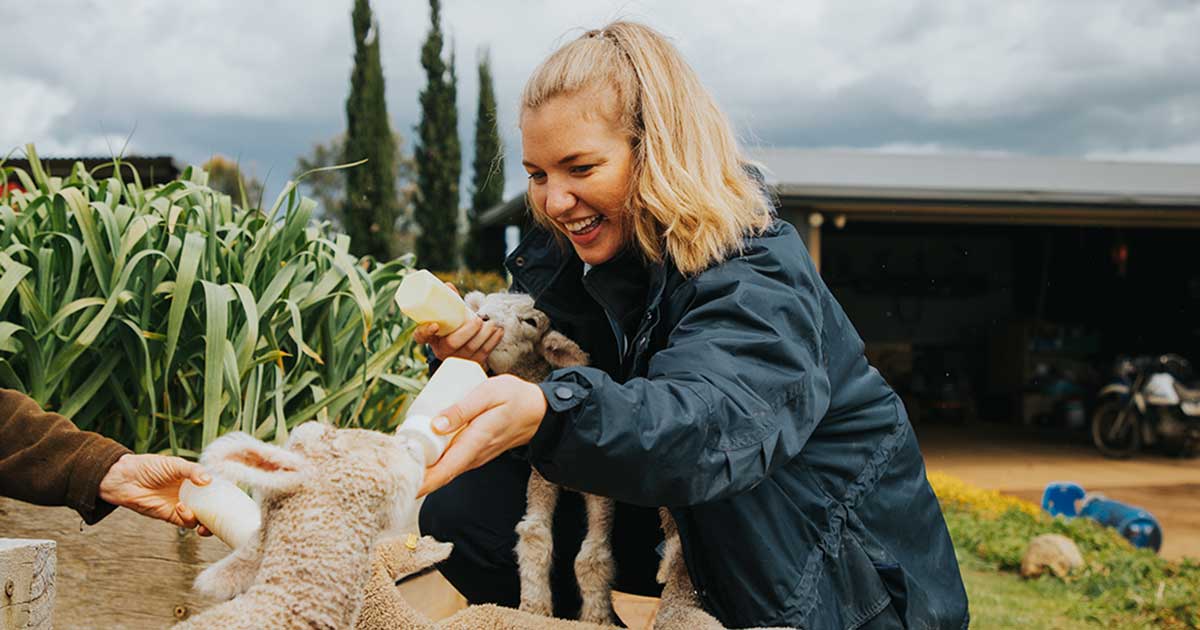
Livestock health and wellbeing is fundamental to the success and sustainability of every farm – it’s also critical to upholding Australia’s high standards of food safety and quality. Red meat producers have a responsibility to meet their animal welfare obligations for their livestock, consumers, and their enterprises.
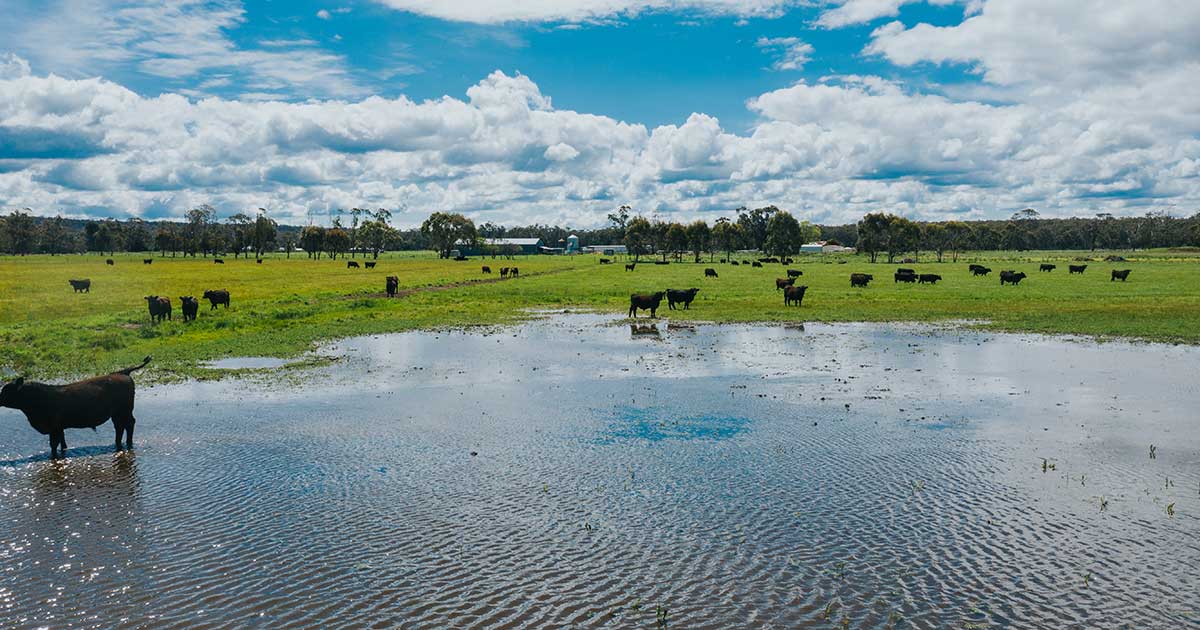
With floods, bushfires and other disasters more prevalent than ever, know what you can do to protect your stock and property.
A major cross-industry effort is under way to assist Indonesia in containing its Foot and Mouth Disease (FMD) outbreak while also keeping FMD and Lumpy Skin Disease (LSD) out of Australia.