Search tips
- Check your spelling
- Try a different term
- Keep your search term short and simple
Putting livestock on agistment? Here’s what you need to know to meet your integrity requirements and protect your livestock while they’re on agistment.
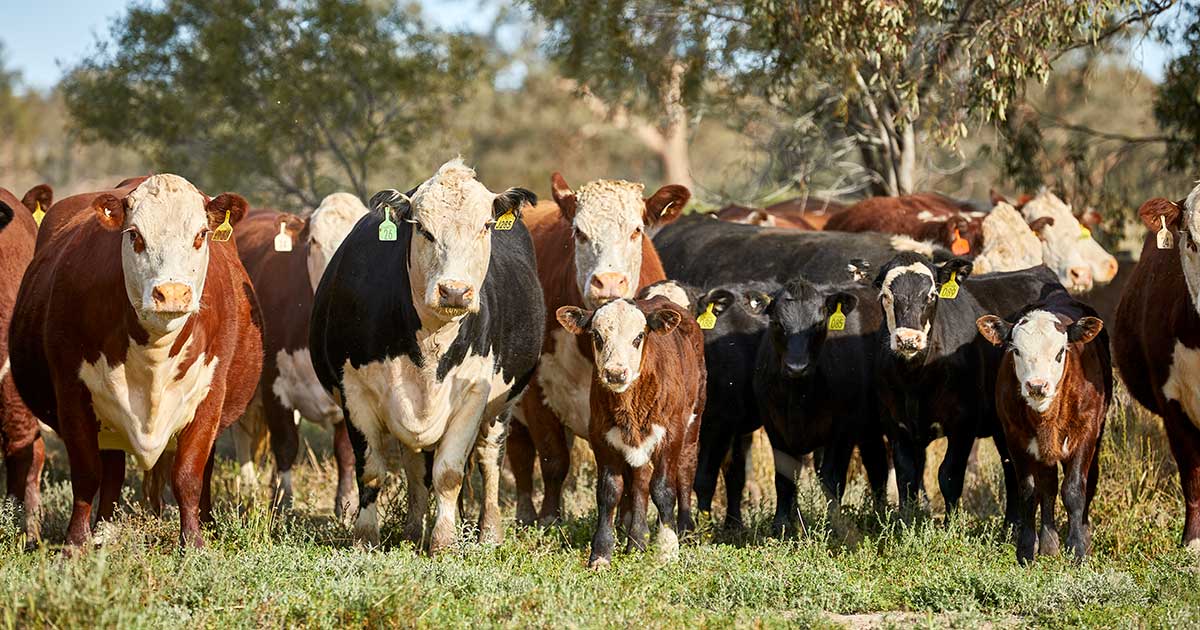
More information Learn more about the specific requirements for your state or territory on the ISC website. Learn how to consign stock to a show or exhibition here. Read how the NSW Royal Agricultural Society’s Cattle Committee worked with ISC and exhibitors to make the shift to digital consignments this year. Learn how to create digital consignments using the eNVD app. For more information on your integrity requirements, generally: Moving livestock to and from a show or exhibition | Integrity Systems National Livestock Identification System | Integrity Systems How NLIS works | Integrity Systems NLIS how-to guides | Integrity Systems...

Producers must keep accurate farm records to demonstrate that their on-farm practices meet LPA requirements. LPA accreditation certifies that meat has been produced safely, ethically and meets biosecurity requirements – and producers must have the evidence to demonstrate this. You can encourage your clients to keep good farm records for LPA, as well as records for any services you may provide. The LPA record keeping templates include all details that must be recorded on-farm to meet LPA requirements. Keep in mind that the LPA record keeping templates are not compulsory to use. If there are opportunities to incorporate record keeping...
There is no perfect formula to record keeping. Any format of records is accepted under LPA so long as it meets the requirements. The LPA record keeping templates are used by many producers and include all details that must be recorded. All documents may now be uploaded to the producer’s LPA account for safe storage. Updates to the LPA website now also allow property risk assessments and farm biosecurity plans to be completed entirely online rather than on a printed template. See our step-by-step guide to creating and uploading documents in your LPA account. Alternately, some producers find that keeping...
This webinar is presented in collaboration with the Australian Livestock Saleyards Association to help you understand the red meat integrity system.
Join our webinar: Can you stand by what you sell? | NT
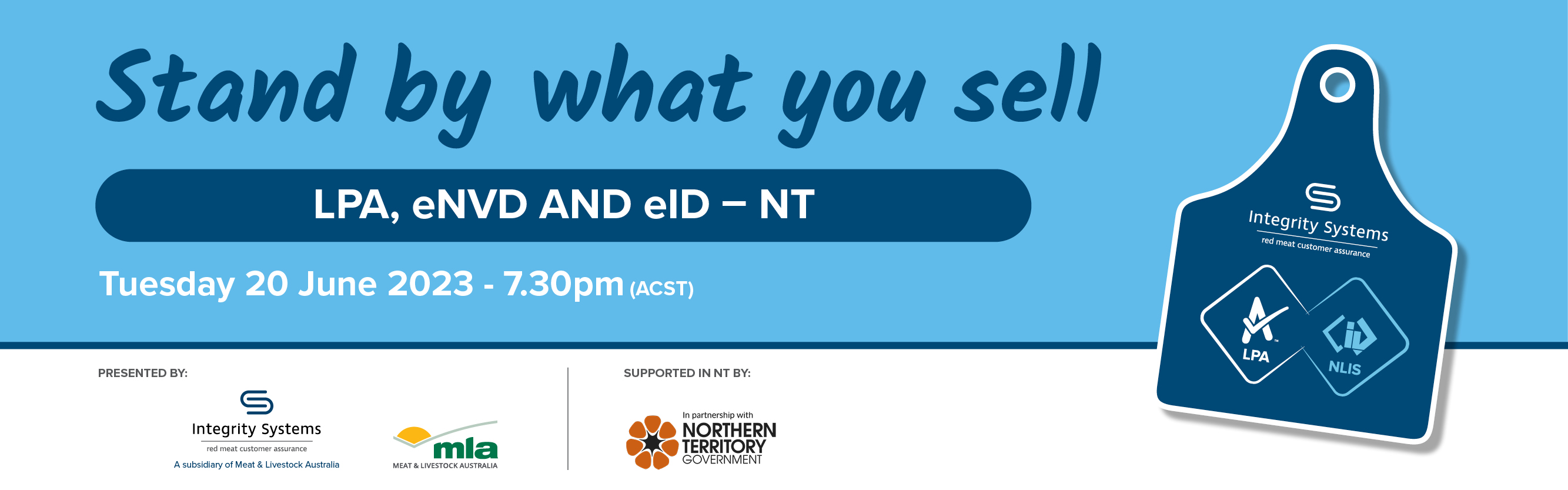
This webinar is presented in collaboration with the Australian Livestock Markets Association to help you understand the requirements of the red meat integrity system.
Early Warning (EW) is a status within the National Livestock Identification System (NLIS) database that is automatically assigned to a property carrying a high-risk animal or animals.
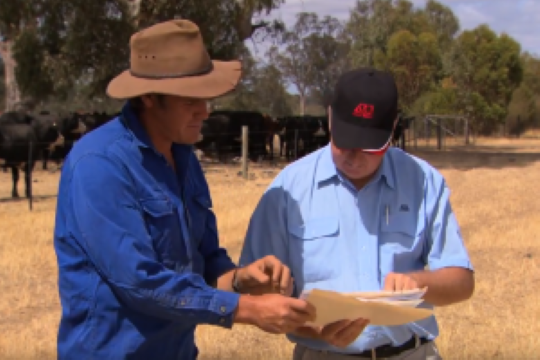
The National Livestock Identification System (NLIS) is Australia's system for the identification and traceability of cattle, sheep and goats. NLIS reflects Australia's commitment to biosecurity and food safety and provides us with a competitive advantage in a global market. Livestock producers need to ensure that the NLIS database for their property identification code is up-to-date. Records of livestock transfers and movements can also be part of an on-farm audit. This session will help you to stand by what you sell by: Reintroducing the NLIS database, what producers need to use it for and how to access it. Demonstrating how to...