Search tips
- Check your spelling
- Try a different term
- Keep your search term short and simple
Meat & Livestock Australia (MLA) has announced Jo Quigley as the new Chief Executive Officer (CEO) of its subsidiary, Integrity Systems Company (ISC). ISC is responsible for managing Australia’s key red meat traceability, animal welfare, food safety and biosecurity programs including the National Livestock Identification System (NLIS), Livestock Production Assurance (LPA) and the electronic National Vendor Declaration (eNVD). Ms Quigley’s appointment comes following an extensive search to replace Dr Jane Weatherley who departed the role of CEO in August to become MLA’s General Manager Communication & Adoption. Ms Quigley has served as Group Manager – ISC Operations for the last...

If your property has an EW status and you are sending animals to a saleyard, you must notify the selling agent who will be acting on your behalf. This will ensure full transparency through the selling process and allow any potential food safety or biosecurity risk to be managed. Even if you are not selling the animal of concern, if you have an EW status on your PIC, you should provide full transparency and confirm with the saleyards, your agent or buyer that there are no high risk animals in the consignment. Following that, it will be business as usual.
It is critical that any agvet chemicals are stored appropriately, are not out of date when used, and are administered in the correct dose. Chemical contamination, degredation or failure can result in a range of negative impacts, including: livestock pain or death livestock illness, which impacts red meat integrity human illness and food safety risks profit and production losses property damage, and disease transmission or biosecurity breaches which threaten global market access. REMEMBER: Chemicals must be used safely and carefully as misuse can result in contamination. Completing a ChemCERT or equivalent training course is an effective way to ensure...
Early warning (EW) is a status within the NLIS database that is automatically assigned to a property carrying high-risk animals. It is one of several ‘property identification code (PIC)-based statuses’ assigned within the database. The EW status does not identify what the status is for or which specific animals are high-risk. The EW status helps monitor and manage food safety and biosecurity risk along the entire supply chain. It gives livestock buyers and agents forewarning of a potential risk by flagging that the PIC may have high risk animals associated with it. The buyer or agent is then able to...
What you need to do to become LPA-accredited or maintain your LPA accreditation.
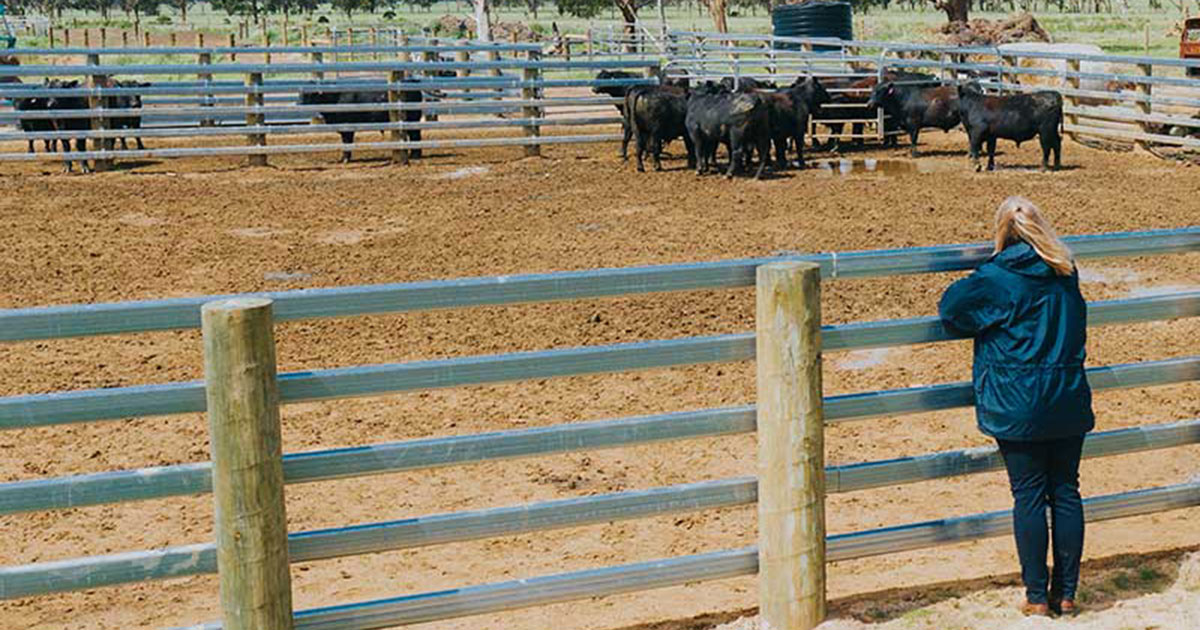

Get organised and stay LPA compliant over the coming months with these suggested actions to help you get the most out of your integrity tools. ● Sheep and Goat eIDs: With mandatory electronic identification for sheep and goats coming into effect nationally from 1 January 2025, producers who haven’t already made the switch should be making preparations. For a state-by-state list of rollout dates and other key information about the sheep and goat eID national implementation plan visit the Sheep and Goat Traceability Task Force website. Check out this video to learn more about sheep and goat eIDs and the National...
Accurate compliance to Australia’s red meat integrity systems, the NLIS and LPA programs, is the best way to ensure the safety and welfare of your stock and business, especially in the event of an emergency animal disease outbreak.

The Livestock Production Assurance On-Farm Quality Assurance (LPA QA) program, incorporating the Cattlecare and Flockcare programs, represents the second tier of the LPA framework. Livestock producers must be fully accredited in LPA level 1 (or Food Safety Management) to participate in LPA QA. The Cattlecare and Flockcare programs were initially developed by the Cattle Council of Australia and the Sheepmeat Council of Australia respectively. Since the introduction of the LPA food safety program, Cattlecare and Flockcare have been incorporated into the grassfed industry's LPA QA program. The LPA QA program is managed by the Integrity Systems Company, the same committee...